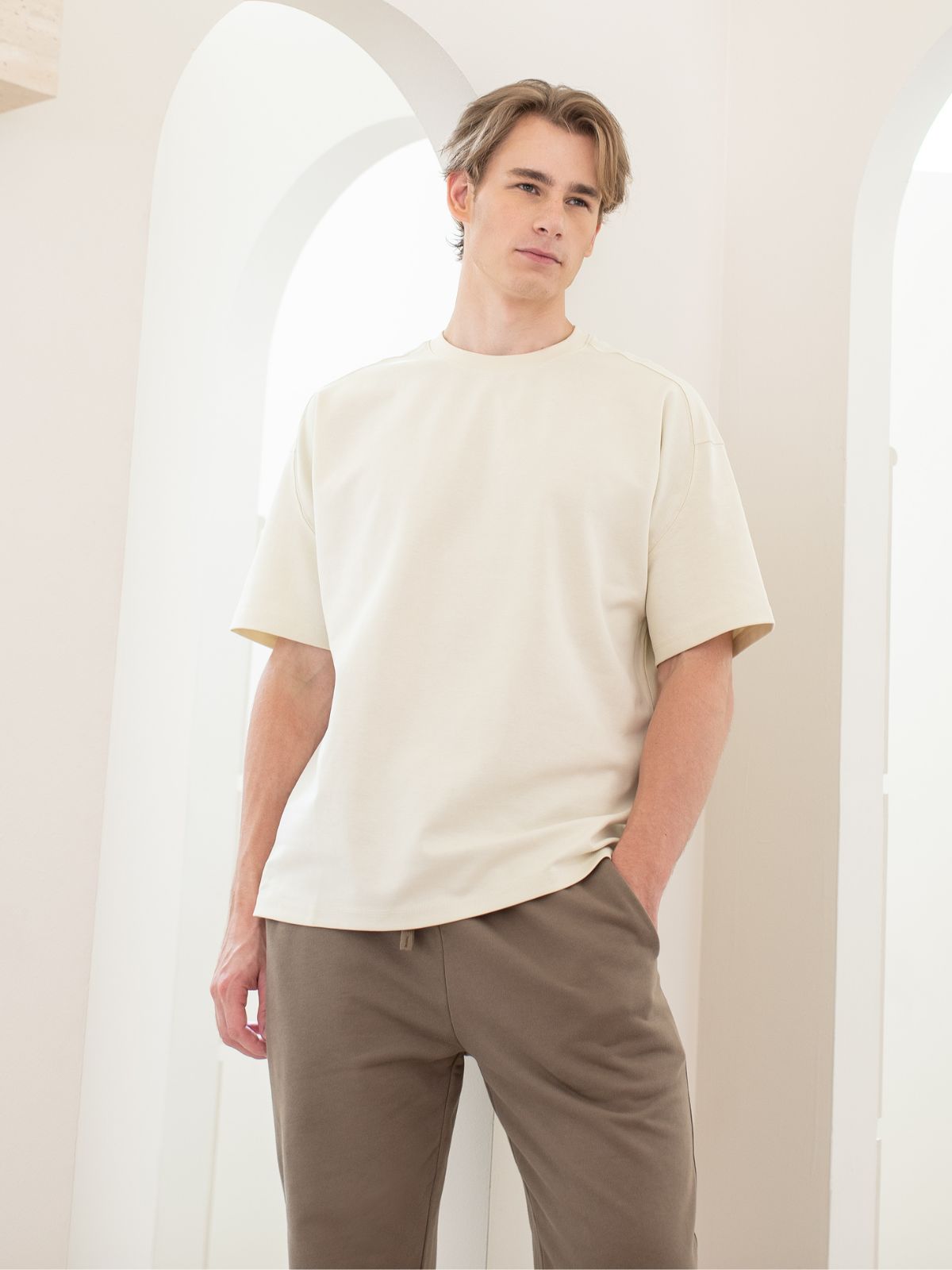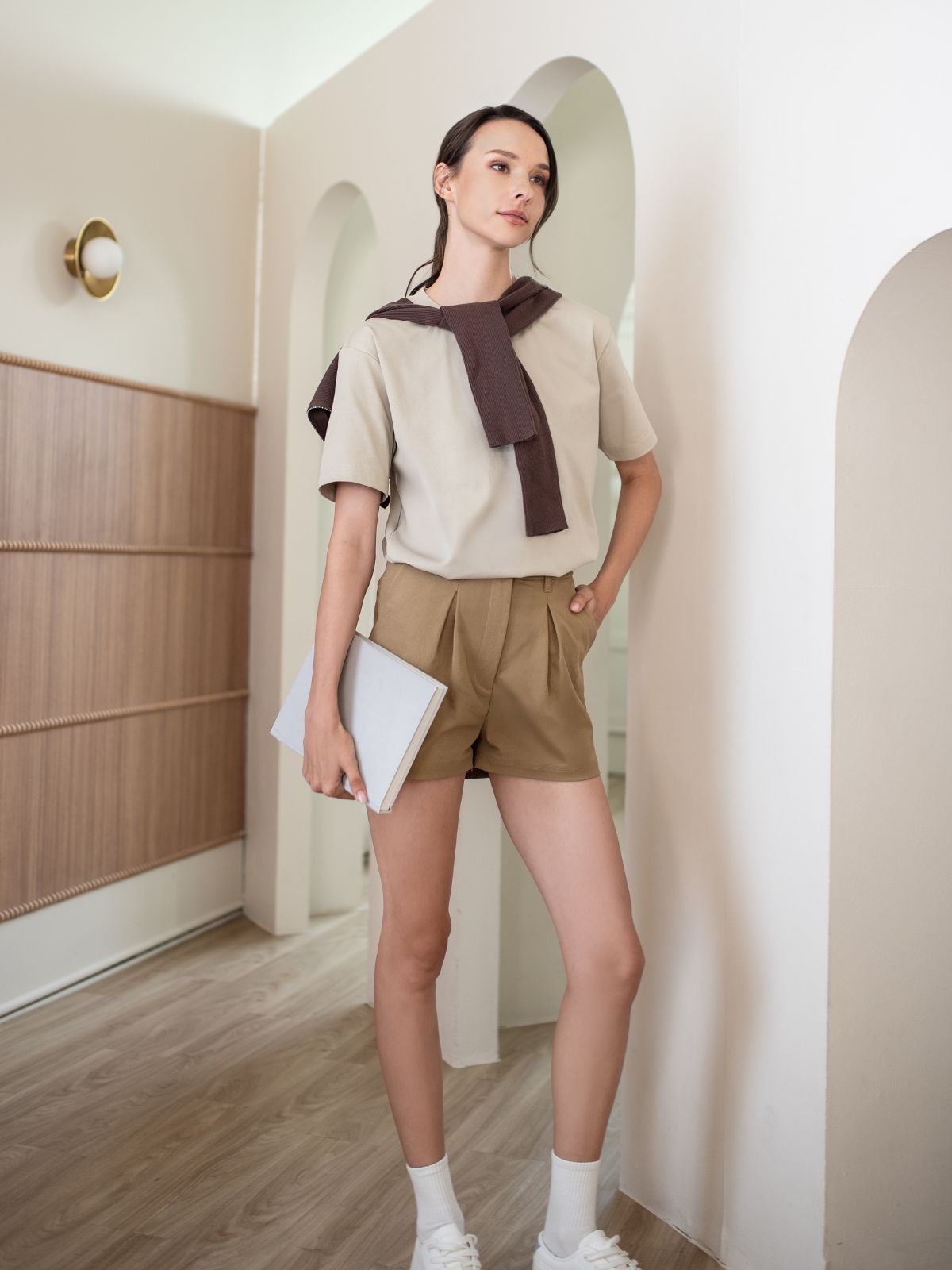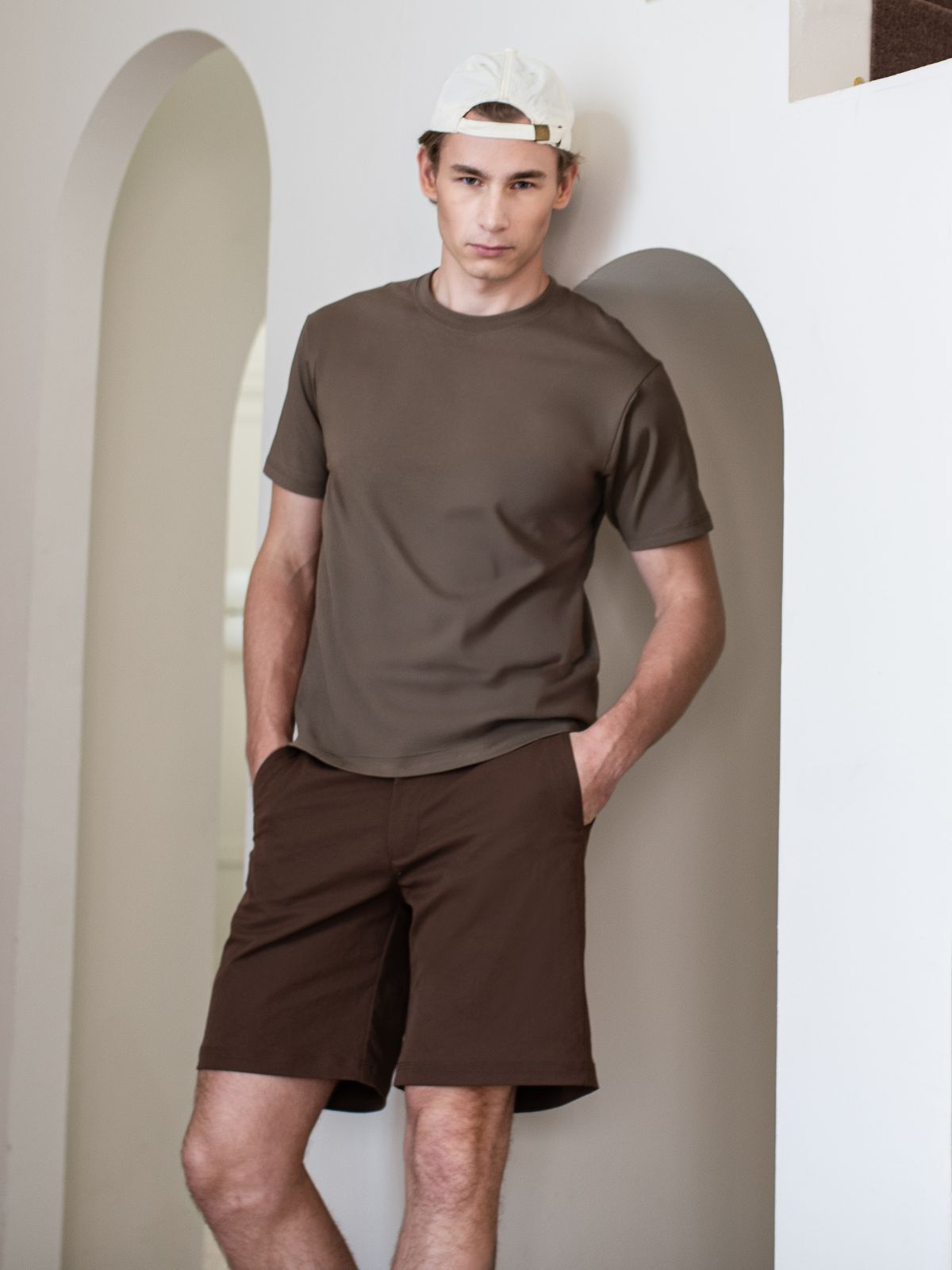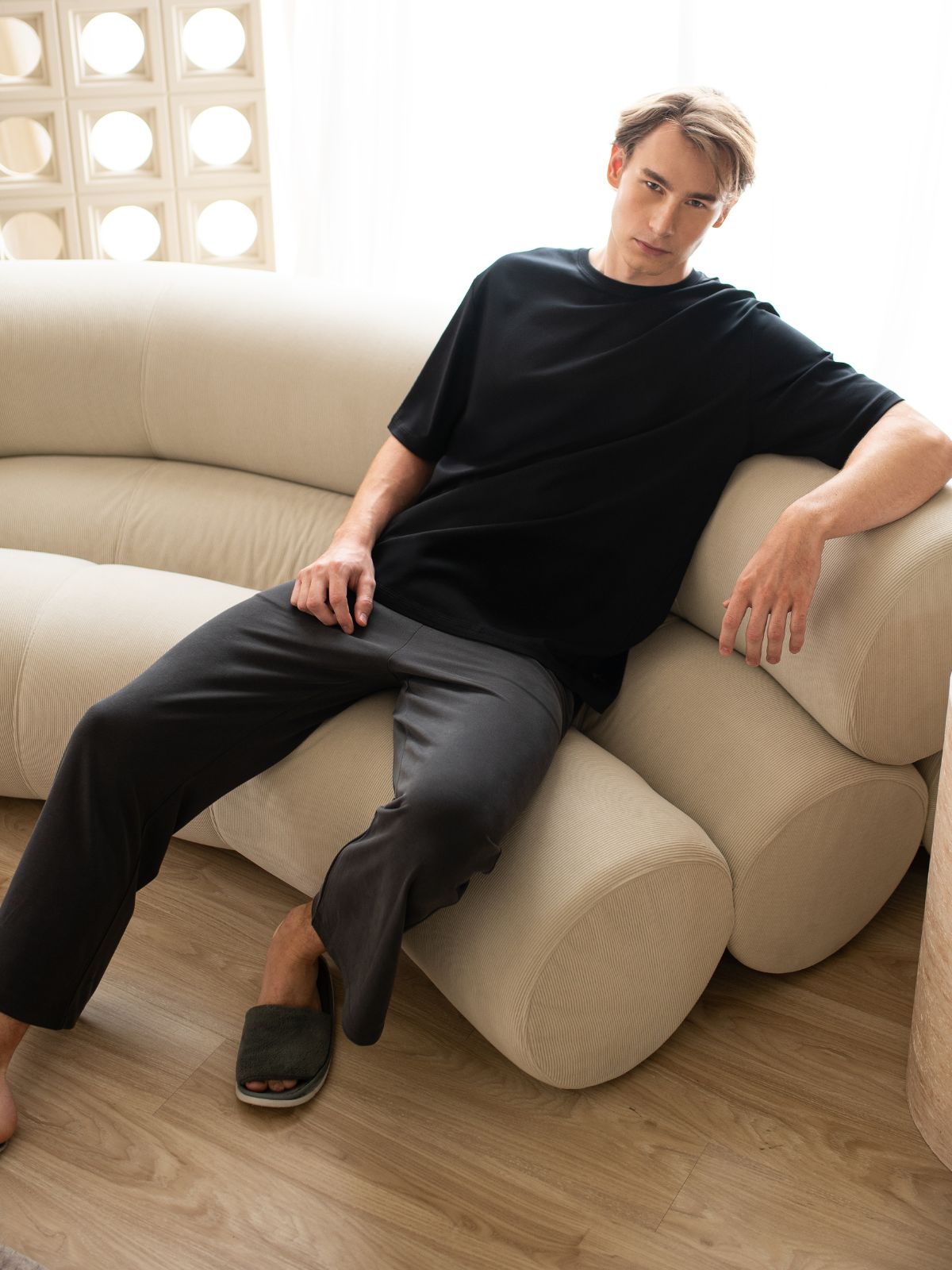

Cotton fabric is one of the most versatile and beloved textiles in the world. From the everyday clothes we wear to the comfortable sheets on our beds, its soft, breathable, and durable nature makes it a staple in countless products across the globe.
But what exactly is cotton, and why has it remained a fashion and home essential for centuries? This guide will take you on a journey through the world of cotton, exploring the different fiber and fabric types. By the end, you'll know exactly how to choose the perfect cotton for your next shirt, towel, or bedding, transforming you from a casual shopper to a textile expert.
What Is Cotton Fabric?
Simply put, cotton fabric is a natural textile made from the soft, fluffy fibers that grow around the seeds of the cotton plant. These fibers are harvested, cleaned, and spun into yarn, which is then woven or knitted into the comfortable material we all know and love. Because it comes from a plant, cotton is uniquely soft, lightweight, and incredibly gentle against the skin, making it one of the world's most widely used fabrics.
Why Is Cotton So Popular?
Cotton remains one of the world’s most popular fabrics because it combines comfort, practicality, and versatility. Its natural breathability allows air to flow freely, helping to keep the body cool and preventing heat from building up. This makes it especially comfortable in warm, humid climates like Malaysia. Cotton is also highly absorbent, which is why it is a favourite for towels, activewear, and everyday basics.
Beyond comfort, cotton is valued for its strength and durability. The fibres hold up well to frequent washing and daily wear, making it a dependable choice for both clothing and home textiles. It is also naturally hypoallergenic, which means it is gentle on sensitive skin and less likely to cause irritation.
Another reason for cotton’s enduring popularity is its practicality. It is easy to care for, widely available, and relatively affordable to produce. Taken together, its comfort, durability, and ease of use make cotton a timeless essential in wardrobes and households around the world.

Types of Cotton Fiber - The Raw Material
While we often think of cotton as a single material, there are actually several different species and grades of the plant. These are most often categorized by the length of their fibers, also known as their staple.
|
Fiber Type |
Staple Length |
Key Characteristics |
Best Used For |
|
Upland Cotton |
Medium-Staple |
The most common variety, making up over 90% of global production. Strong, versatile, and durable. |
Everyday T-shirts, denim, and casual wear. |
|
Pima Cotton |
Long-Staple / ELS |
Similar to Egyptian cotton, with a silky feel, natural sheen, and excellent durability. |
Premium apparel, business shirts, and quality towels. |
|
Egyptian Cotton |
Extra-Long-Staple |
Exceptionally fine and strong fibres that create a fabric with unmatched softness, smoothness, and lustre. |
Luxury bedding and high-end towels. |
|
Organic Cotton |
Varies by variety |
Grown without synthetic pesticides or fertilisers. Kinder to the environment and gentle on skin. |
Sustainable fashion, baby clothes, and eco-conscious basics. |

Types of Cotton Fabric - The Final Product
Once the raw cotton fiber is spun into yarn, it can be woven or treated in different ways to create a huge variety of fabrics, each with a unique texture, weight, and optimal use.
Smooth & Crisp Fabrics (Great for Shirts)
If you like a sharp, polished look, these fabrics are excellent choices for shirts and structured pieces.
-
Broadcloth is tightly woven with a smooth surface and a subtle sheen. It feels crisp and refined, making it a favourite for dress shirts. While it can wrinkle, that same structure gives it a neat, tailored appearance.
-
Poplin is fine and lightweight with a subtle ribbed texture. It holds its shape beautifully and is easy to care for. Like broadcloth, it has a tendency to wrinkle, but a quick press brings it back to its best.
Durable & Heavyweight Fabrics (Built to Last)
When strength and structure matter, these fabrics shine. They are reliable choices for outerwear and everyday staples.
-
Denim is the iconic twill weave with its diagonal ribbing. Strong and sturdy, it becomes softer and more comfortable over time while developing a unique character that many consider its greatest charm.
-
Canvas is a heavyweight plain weave known for its resilience. It is exceptionally durable and resistant to wear, making it perfect for jackets, bags, and workwear. Its structured feel adds character, even if it is less fluid than lighter fabrics.
Lightweight & Breathable Fabrics (Ideal for Warm Climates)
For warm or humid days, these fabrics keep you cool and comfortable without compromising style.
-
Chambray resembles denim but is softer, lighter, and much more breathable. It drapes nicely and feels airy, making it a summer favourite. With time, it develops a relaxed, lived-in look that many people love.
-
Seersucker is instantly recognizable by its puckered texture, which helps lift the fabric away from the skin for added airflow. Light and breezy, it is perfect for hot weather, with a naturally casual charm.
Specialty & High-Absorbency Fabrics
These weaves are crafted for comfort and function, whether you are keeping warm or staying dry.
-
Flannel is brushed for softness, giving it a cozy, insulating feel that is perfect for cooler days. Its warmth and comfort make it a cold-weather essential.
-
Terry Cloth is woven with loops that make it wonderfully absorbent. It is soft, long-lasting, and ideal for towels, robes, and casual loungewear, wrapping you in comfort.
Uses of Cotton Fabric
Thanks to its versatility and wide range of natural benefits, cotton has become one of the most important textiles in the world. While it is best known for clothing, its use goes far beyond fashion, extending into home goods and personal care items where many people prefer cotton over synthetic alternatives.
To make it easier to choose the right type for your needs, here is a quick reference table showing which cotton fabrics work best for different kinds of apparel and household products:
|
Item Type |
Best Fabric Choices |
Why It Works |
|
Business / Dress Shirt |
Poplin, Broadcloth |
Crisp, smooth, and structured. These fabrics hold their shape and give shirts a polished, professional finish. |
|
Casual / Summer Shirt |
Chambray, Seersucker |
Lightweight and breathable, making them comfortable in heat and humidity while still looking stylish. |
|
Jeans / Jackets |
Denim, Canvas |
Both are strong and durable. Denim’s twill weave adds character over time, while canvas provides structure and toughness. |
|
Pajamas / Winter Shirt |
Flannel |
Brushed for softness and warmth, flannel is cozy and insulating, perfect for cooler nights. |
|
High-End Bed Sheets |
Long-staple cottons like Egyptian, Pima |
Extra-long fibres create a smoother, stronger weave for bedding that feels luxurious and lasts longer. |
|
Towels / Bathrobes |
Terry Cloth |
The looped texture is highly absorbent and soft, making it ideal for drying off or lounging in comfort. |
Cotton Fabric Colours
One of the most appealing aspects of cotton is its natural ability to take on a vast spectrum of colours. In its raw form, cotton is typically an off-white, cream, or light brown colour. However, its natural properties make it an excellent material for dyeing.
Dye Absorption
The cellulose fibers in cotton are highly receptive to both natural and synthetic dyes. This allows for the creation of incredibly vibrant and rich colours that hold their intensity, even after multiple washes. The fabric’s surface can also be treated to create specific finishes, from matte to lustrous.
Printing and Patterns
Beyond solid colours, cotton is a favourite canvas for textile printing. Its smooth surface allows for sharp, detailed patterns, making it a staple in the fashion and home goods industries for printed t-shirts, patterned bedding, and decorative fabrics.
Colourfastness
While cotton generally holds colour well, it's important to note that colourfastness can vary. Darker dyes, especially indigo used in denim, may bleed slightly during the first few washes. This is why it's always recommended to wash new, dark-coloured cotton items separately.
How to Care for Cotton Fabrics
One of the reasons cotton is so well-loved is that it is easy to care for. With just a few simple steps, your cotton pieces can stay soft, fresh, and long-lasting. Always check the care label first, especially for blends or fabrics with special finishes.
Washing
-
Machine-wash most cotton items.
-
Use cold water for dark or bright colours to reduce fading and minimise shrinking.
-
Wash whites in warm or hot water to keep them bright.
-
Choose a mild detergent, and add fabric softener if you want extra softness and less static.
-
Only use bleach if the garment label says it is safe.
Drying & Ironing
-
Air-dry whenever possible by hanging or laying flat to preserve shape and size.
-
If using a dryer, set it to low heat and remove items while still slightly damp to prevent wrinkles.
-
Cotton wrinkles easily but tolerates high heat well. For the best results, iron while the fabric is still damp or use a steam iron.
A Note on Shrinkage
Pure, 100% cotton can shrink, especially on the first wash. To reduce this, wash in cold water and air-dry, or use a low-heat dryer setting.
Conclusion
Understanding how cotton transforms from raw fibre into finished fabric helps you make more confident choices. The value of premium cotton comes from its balance of comfort, durability, and lasting texture.
From the sturdy character of denim to the airy lightness of seersucker on a humid day, or the silky smoothness of Pima cotton in bedding, each weave and fibre brings something unique. Knowing these differences takes the guesswork out of choosing fabrics and helps you invest in pieces that truly suit your lifestyle.
Ready to experience cotton at its best? Explore our collection of premium tees and bottoms, crafted from high-quality cotton blends and fibres that deliver the comfort, longevity, and understated luxury your wardrobe deserves.