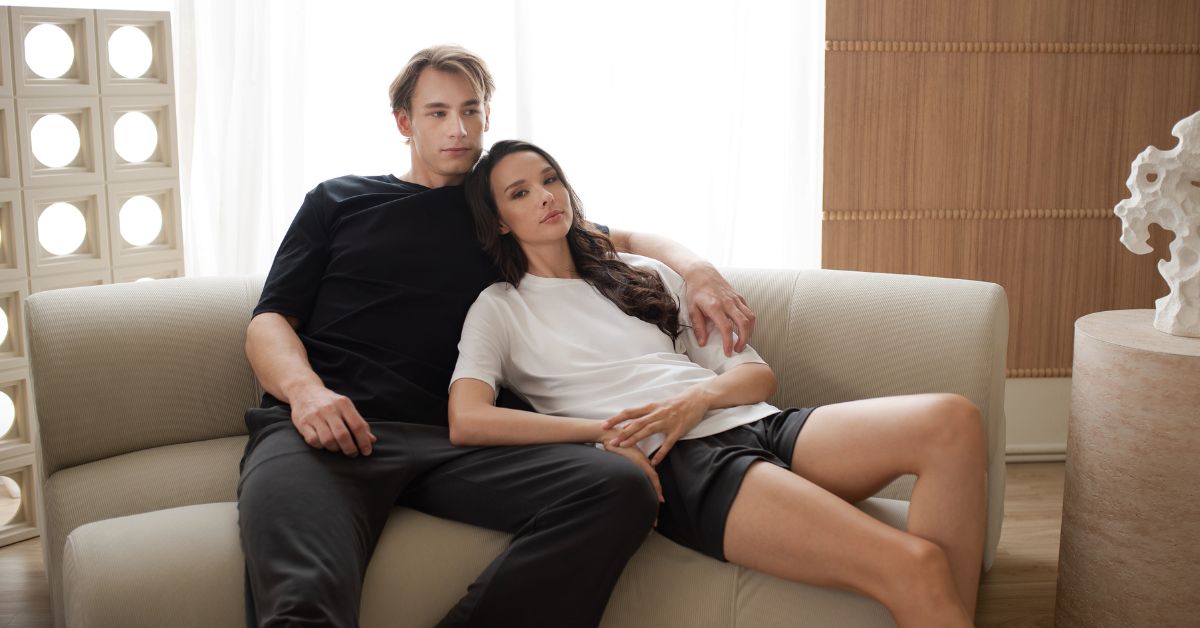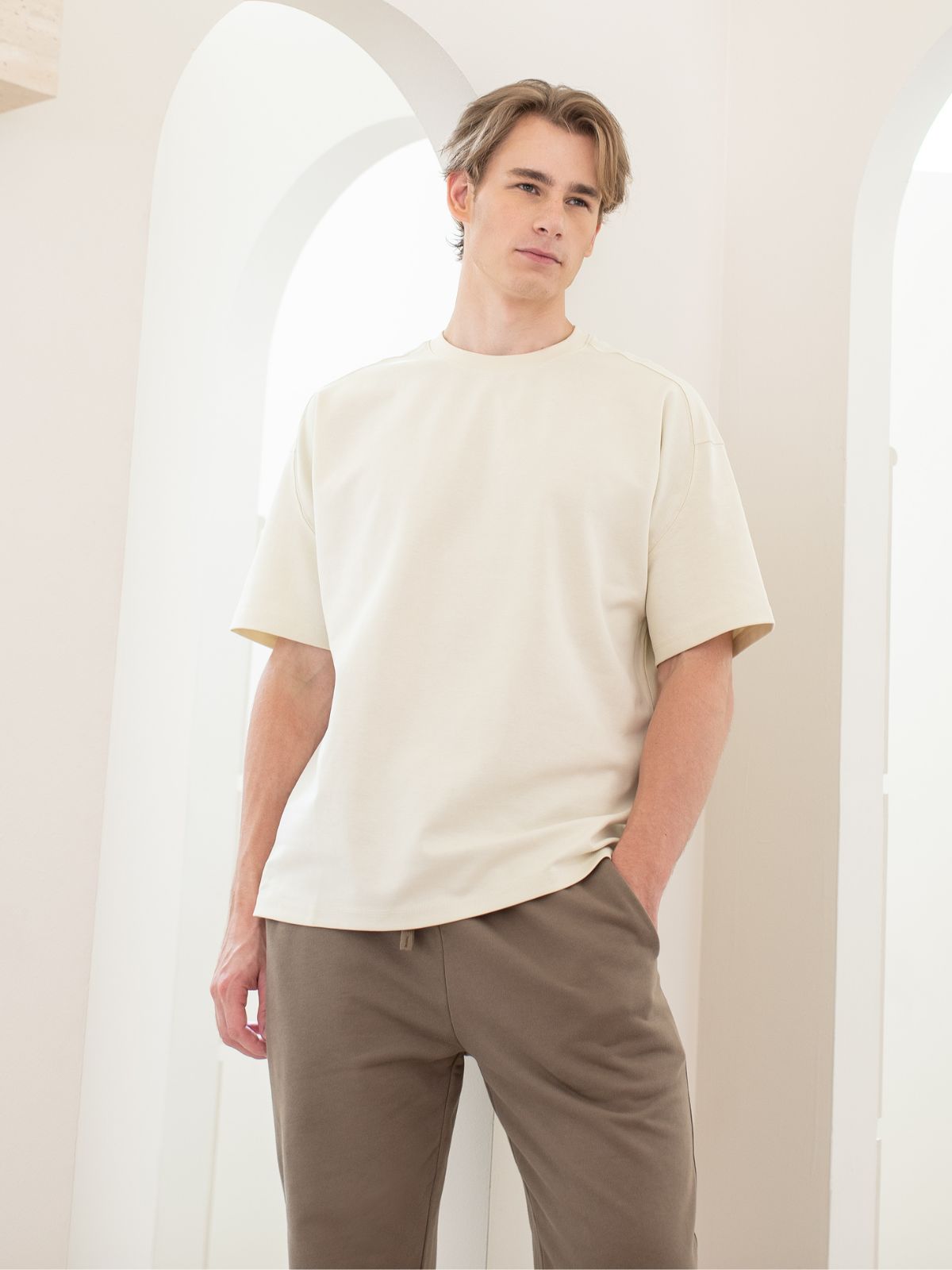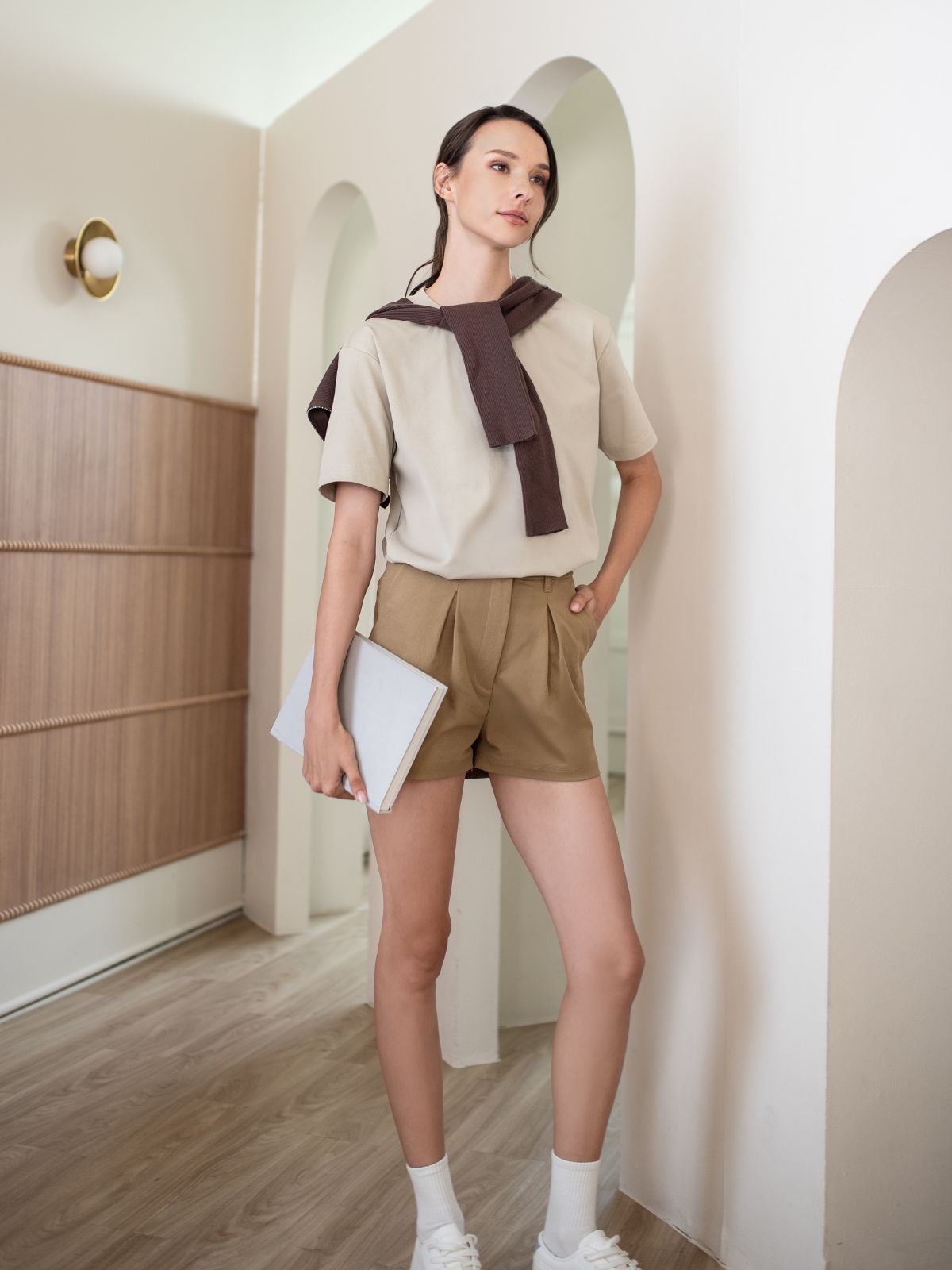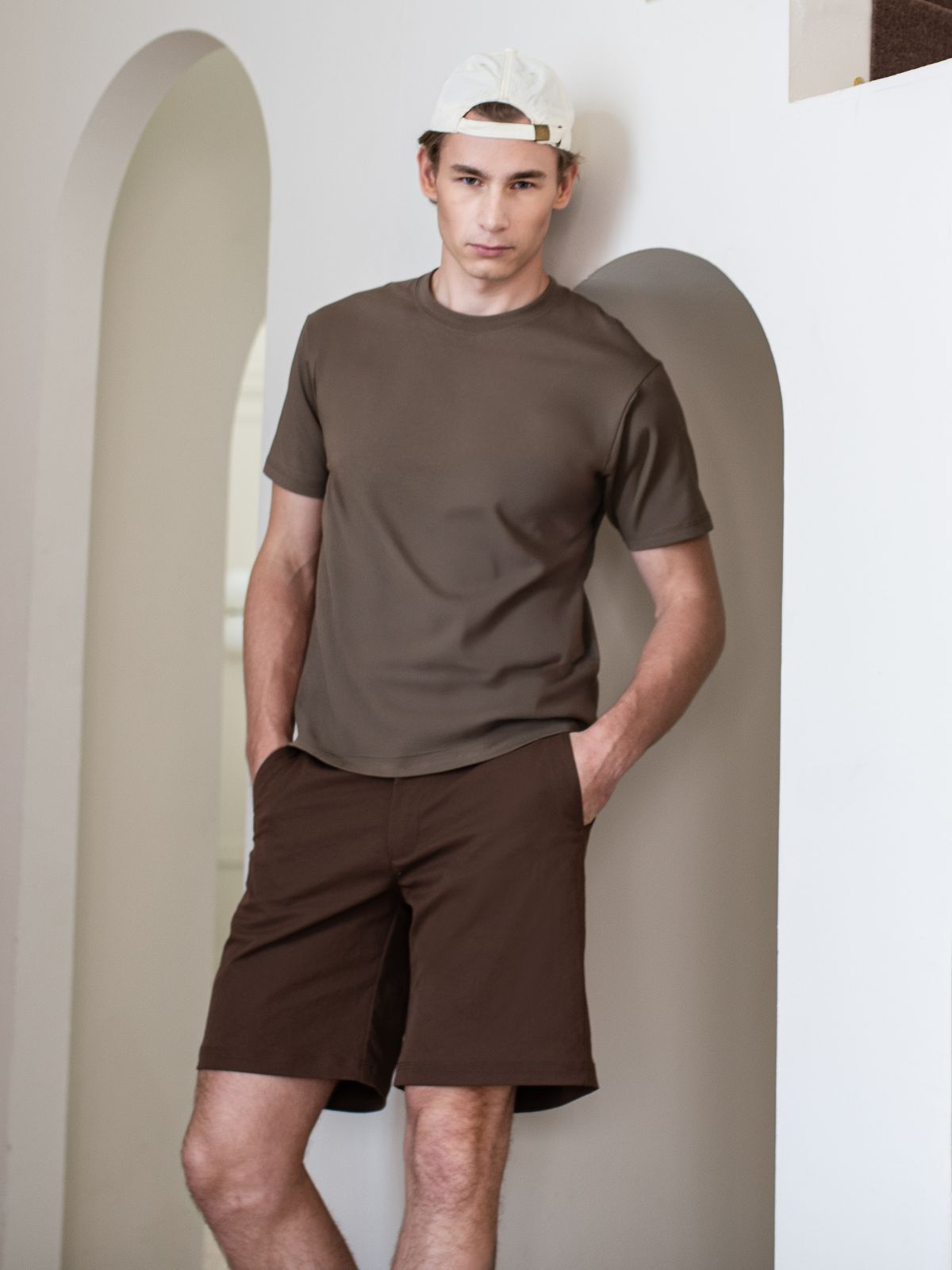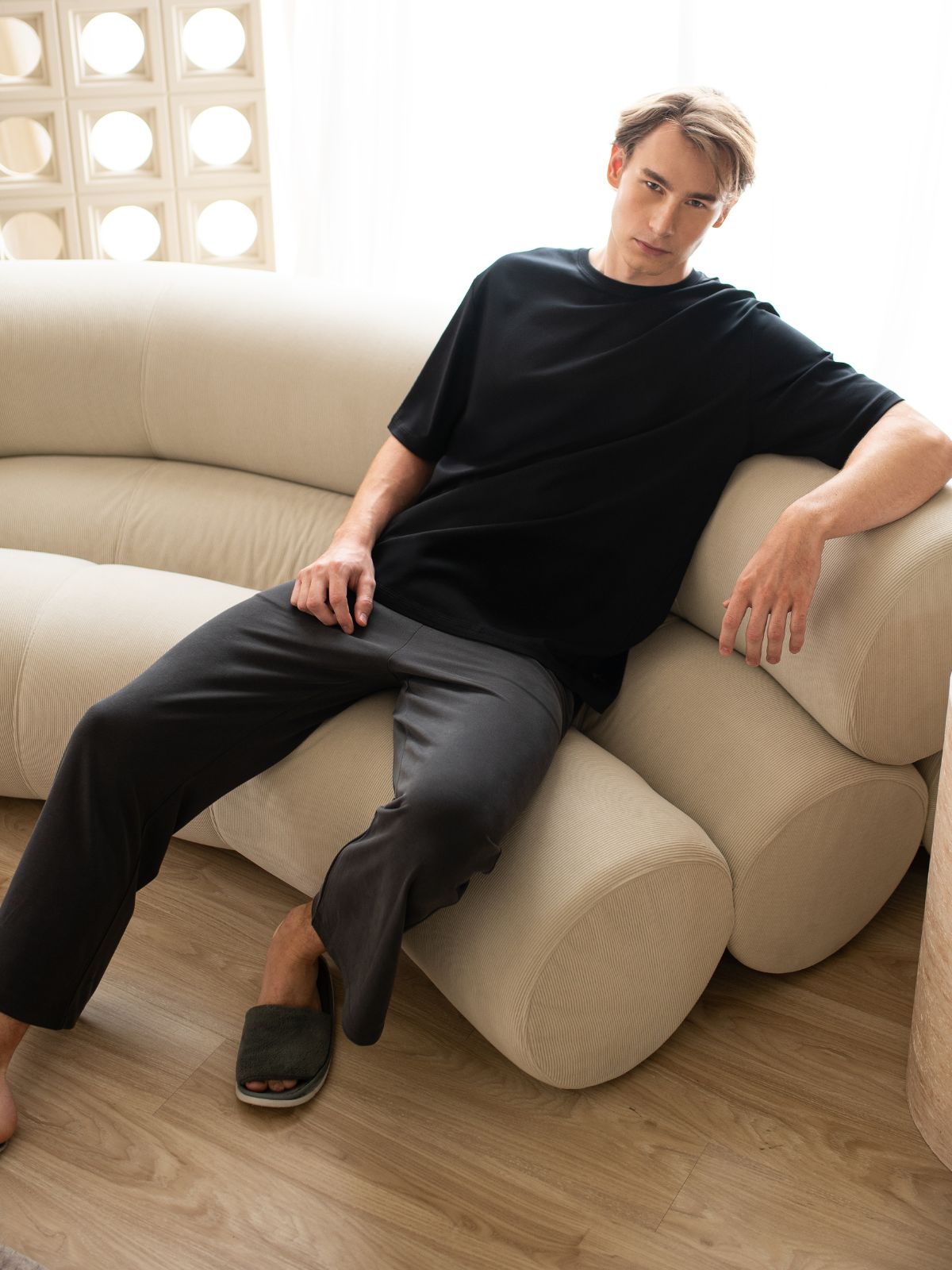
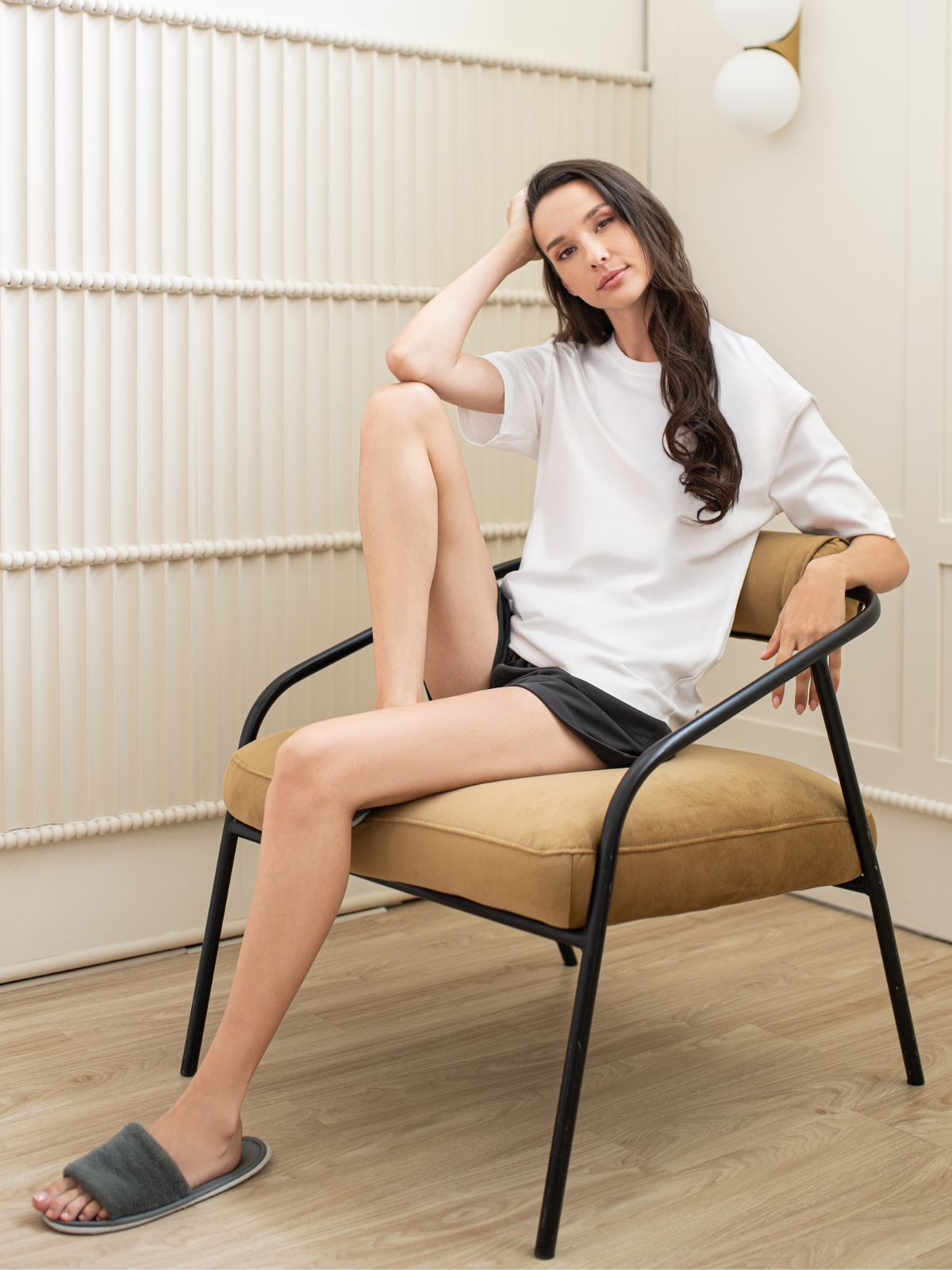
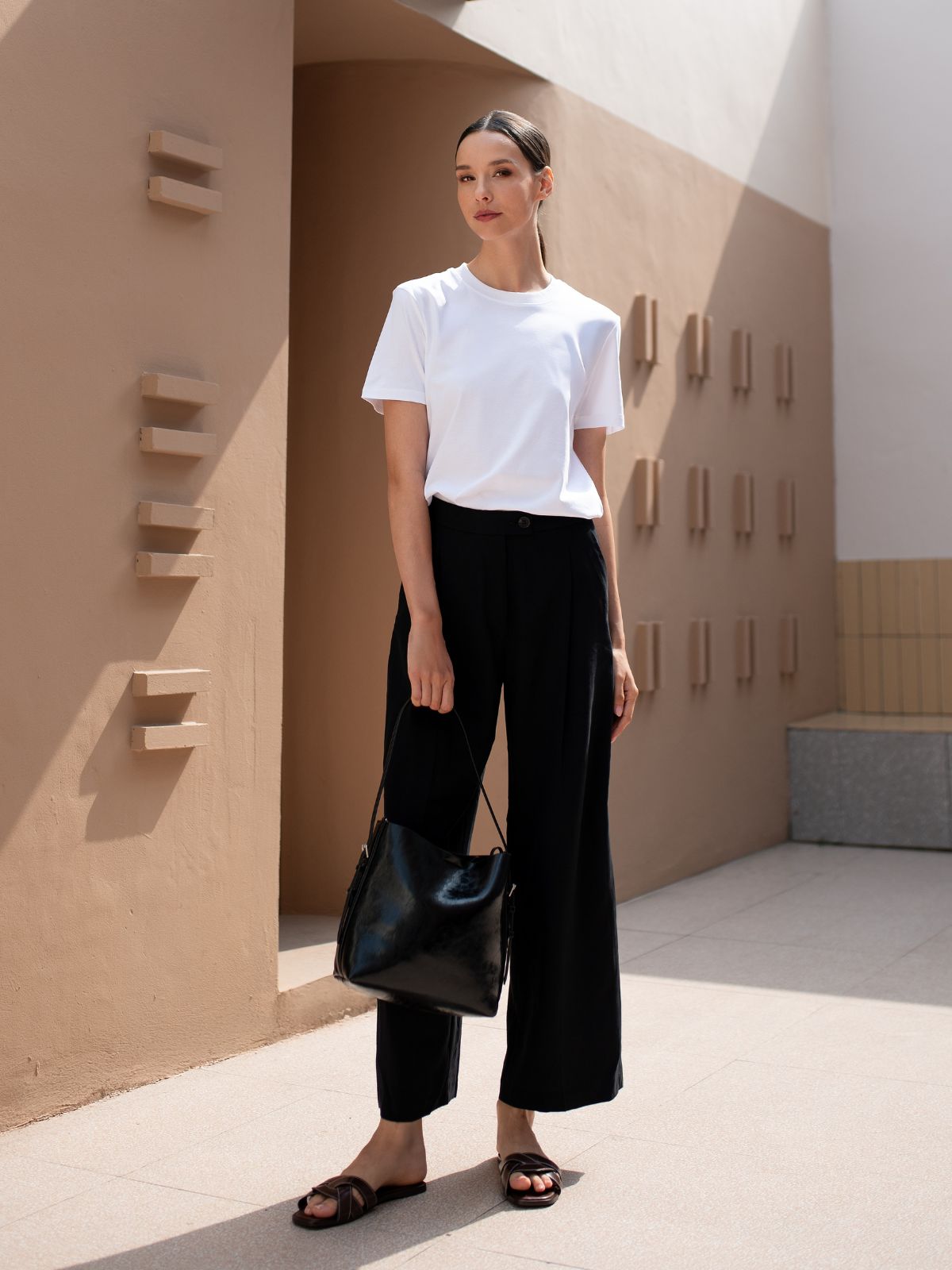
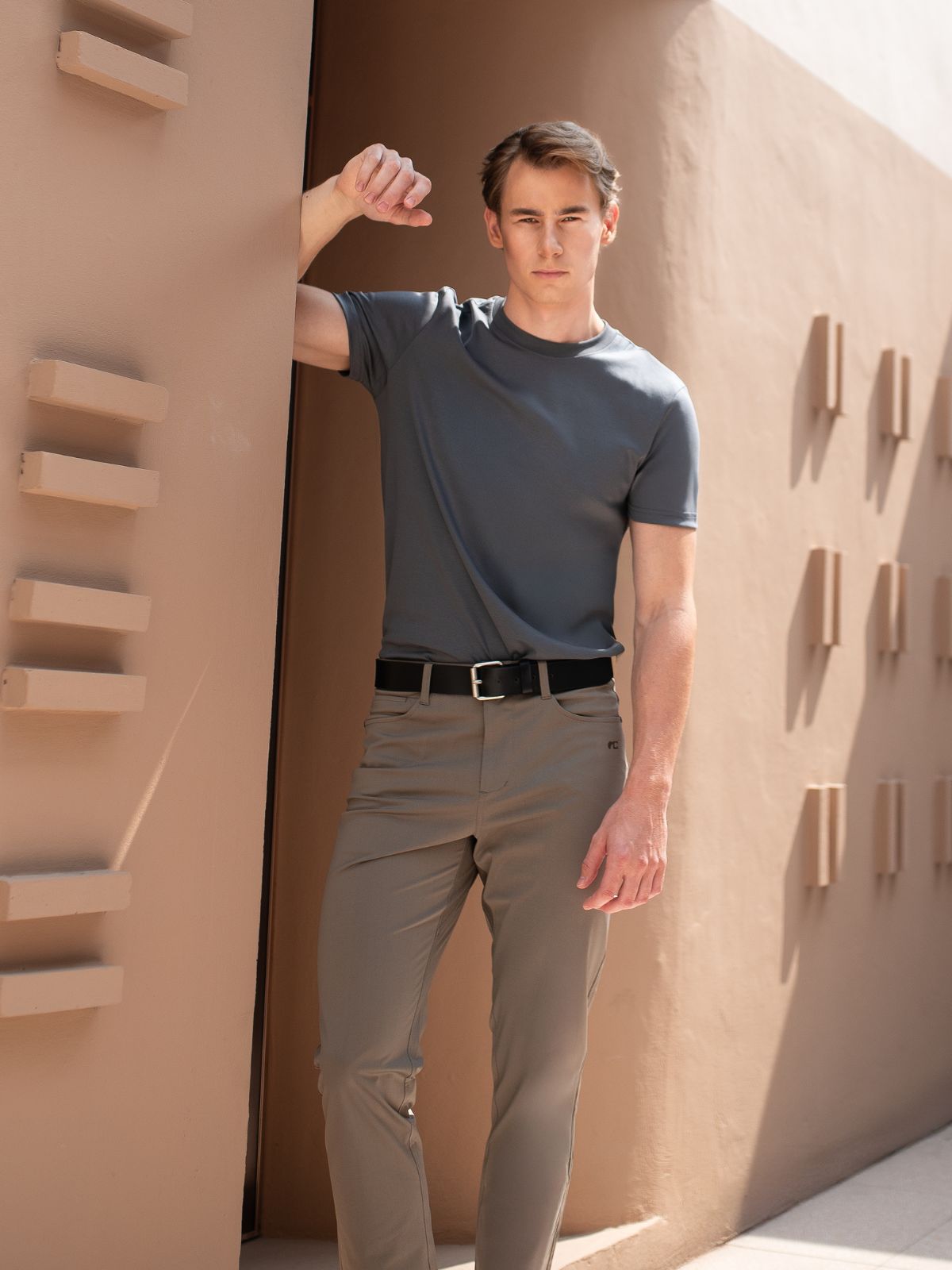
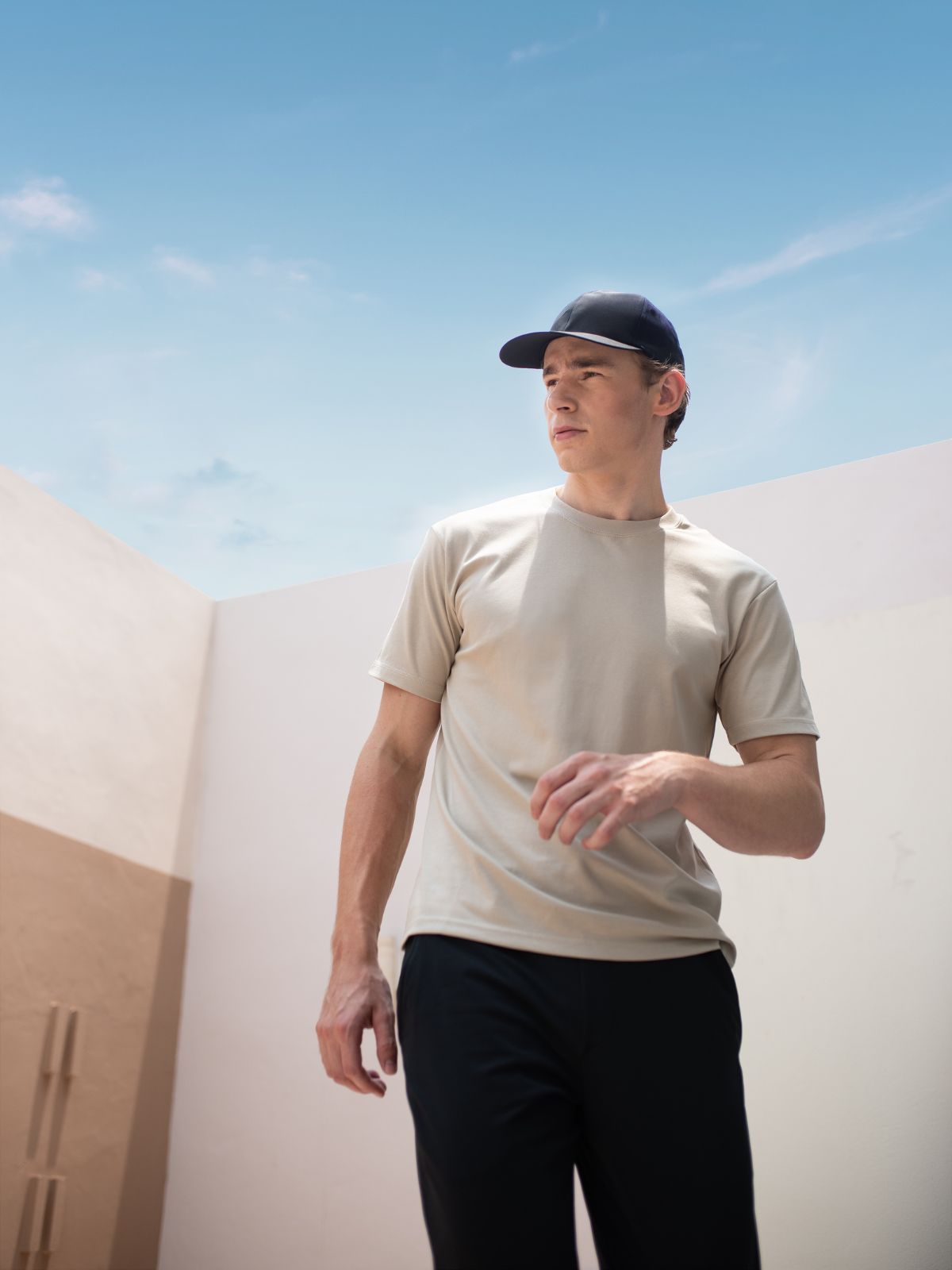
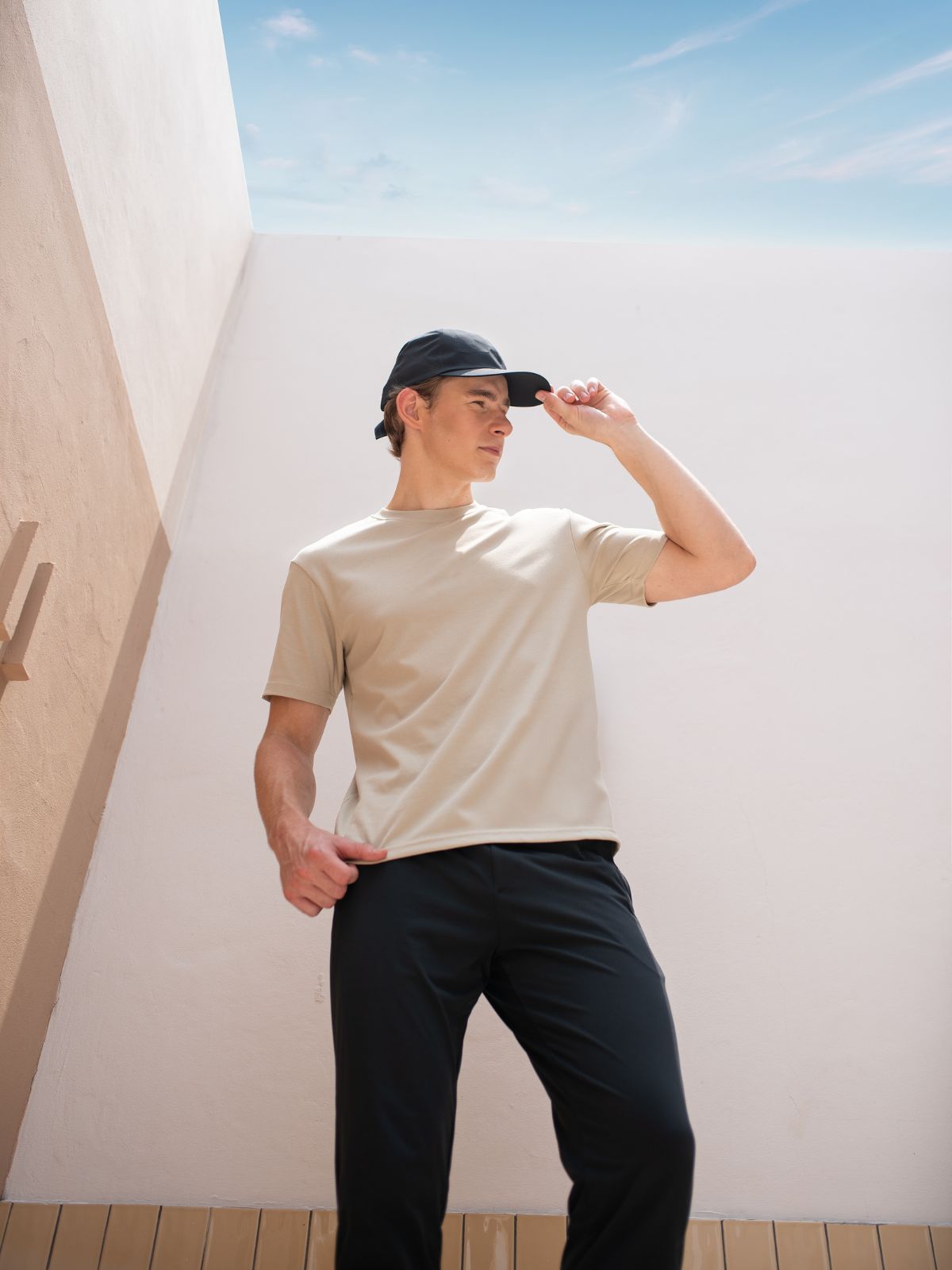

True luxury in clothing is found in excellent craftsmanship. It is about fabrics that feel exceptional and actually last, with every detail thoughtfully designed and carefully put together.
TENCEL fabric is a shining example of this philosophy. Made from sustainably sourced wood fibers, TENCEL fabric is gentle on skin and durable, making it favourable for quality, sustainable fashion. In this guide, we will explore what TENCEL fabric is, its key characteristics and benefits, the different types of TENCEL, how it is used in clothing, and tips on caring for TENCEL garments.
What is TENCEL?
TENCEL is a fabric made from the cellulose of wood pulp, primarily derived from sustainably-harvested eucalyptus trees. Also known as lyocell, TENCEL is soft and can be made into clothing, bedding, and other textiles. Its natural origin makes it fully biodegradable, offering an eco-friendly alternative to conventional fabrics.
TENCEL performs well in hot temperatures and feels comfortable against the skin. It is softer than silk, more absorbent than cotton, and cooler than linen, making it a practical and versatile fabric for everyday use.
Origins of TECEL Fabric
Early Development (1970s-1980s)
Lyocell fiber was developed in 1972 in North Carolina as a cleaner alternative to rayon. Courtaulds refined the process in the UK.
Commercial Launch (1990s)
Large-scale TENCEL production started in the Courtaulds Fibre rayon factory in Alabama, where it was marketed as “soft denim”.
Lenzing Acquisition and Global Growth (2000s-2010s)
Lenzing AG acquired Courtaulds’ fiber division in 2004. Production and applications expanded into shirts, dresses, bedding, and activewear, fueled by demand for sustainable textiles.
How is TENCEL Made?
-
Sourcing: Wood is harvested from sustainably managed forests (FSC or PEFC-certified ones that adhere to strict criteria for forest preservation and biodiversity protection).
-
Dissolving: The wood is chipped and dissolved into a "pulpy" liquid using a non-toxic solvent. Since this solvent is organic, pollutant emissions are reduced during this process.
-
Spinning: The liquid is pushed through tiny holes to create long fibers. These fibres travel through an air gap into a water-based bath where the solvent is displaced, which are then dried and combed before being transformed into \ fabric.
-
Closed-Loop: More than 99.8% of the water and solvent used in the process are recovered and reused, rather than dumped into the environment. This recycling drastically reduces waste and chemical discharge.
Characteristics of TENCEL Fabric
TENCEL fabric is prized for its combination of comfort, performance, and eco‑friendliness. Here are its key characteristics:
-
Soft and smooth: Extremely smooth fibers create a silky feel, often softer than cotton or bamboo.
-
Moisture-regulating: Highly absorbent and quick-drying, keeping skin dry and comfortable.
-
Breathable and cooling: Porous structure promotes airflow, ideal for warm or humid weather.
-
Durable: Strong fiber resists wear and pilling better than many natural fibers.
-
Elegant drape and sheen: Soft natural luster and fluid drape, perfect for dresses, shirts, and bedding.
Benefits of TENCEL Fabric
Beyond personal comfort and quality, TENCEL fabric also supports a healthier planet through its sustainable production. Here are reasons why TENCEL is highly sought after in fashion:
-
Skin-friendly and hypoallergenic: Smooth fibers and excellent moisture control help reduce friction, irritation, and bacterial growth, making it perfect for sensitive skin.
-
Comfortable in heat and for active wear: Absorbs moisture quickly and dries fast, keeping clothing light and breathable in hot, humid climates like Singapore and Malaysia.
-
Durable and long-lasting: Stays wrinkle-free and smooth after many cycles in the wash, making clothes and bedding made of its material feel comfortable for longer.
-
Eco-friendly: Since TENCEL is made from sustainably-sourced wood and produced in a closed-loop system, producing fabric generates a lower carbon footprint than conventional fabrics.
-
Low static build-up: TENCEL fibers absorb moisture, reducing tension and minimizing electrostatic charging. Unlike synthetic fabrics, they remain free of static.

Types of TENCEL Fabric and Their Differences
Because it’s so versatile, TENCEL can be turned into several different types of fabric. Here’s a breakdown of the most common types you’ll find in stores today:
1. TENCEL Lyocell
This is the “classic” TENCEL. It’s known for being strong yet soft, making it durable without losing shape. It is regenerated cellulose made from wood, often eucalyptus, that follows the typical solvent-spinning, closed-loop lyocell process.
-
Best for: Activewear, denim, and high-quality bed sheets
-
Why people love it: Wicks moisture away from your skin, keeping you cool and dry
2. TENCEL Modal
Think of Modal as Lyocell’s extra-soft sibling. It’s processed to make fibers thinner and more flexible, giving a light, drapey feel. It is also a regenerated cellulose fibre, but made from beech-tree pulp instead.
-
Best for: Underwear, pajamas, and lightweight t-shirts
-
Why people love it: Exceptionally soft and resists pilling better than cotton
3. TENCEL Blends
TENCEL is often blended with other fibers to combine their best qualities:
-
TENCEL + Cotton: Offers the softness and drape of TENCEL with the stability of cotton. Less stretchy but easy to care for, ideal for wardrobe basics.
-
TENCEL + Linen: Softer and less scratchy than pure linen, with fewer wrinkles, making it great for summer shirts and blouses.
-
TENCEL + Wool: Lightens the feel of wool and adds a silky sheen, perfect for sweaters and loungewear.
-
TENCEL + Polyester or Elastane: Improves durability and stretch while maintaining TENCEL’s moisture-wicking properties, ideal for activewear and stretch pants.
TENCEL vs. Other Materials
Although TENCEL sits on the higher end of the price point, it is a worthy investment if you want your wardrobe to last. Compared with conventional fabrics, TENCEL offers unique benefits in comfort, durability, and sustainability.
Here’s a table for a quick comparison:


Application of TENCEL Fabric in Clothing
TENCEL is widely used in clothing for its softness, breathability, moisture management, and elegant drape. Here are the main categories:
Basics and Everyday Wear
-
T-shirts and tops: Lightweight, soft, and smooth, with moisture-wicking and odor control for longer-lasting freshness.
-
Blouses and shirts: Elegant drape and subtle sheen make wrinkle-resistant shirts feel more premium than cotton.
Dresses, Skirts, and Jumpsuits
-
Dresses and loose tops: Fluid drape and light texture suit flowy silhouettes that move with the body and stay cool.
-
Jumpsuits and wide-leg pants: Soft yet structured, comfortable for travel and daily wear.
Sleepwear and Loungewear
-
Sleepwear and pajamas: Hypoallergenic, soft, and temperature-regulating for a comfortable night’s sleep.
-
Loungewear and robes: Lightweight, smooth, and cozy for home or resort-style wear.
Underwear and Activewear
-
Underwear and base layers: Soft with moisture and odor control, perfect for intimate apparel and thermals.
-
Activewear: Often blended with elastane or polyester, providing comfort, stretch, and durability for leggings, sports tops, and athleisure.
Outerwear and Transitional Pieces
-
Light jackets, skirts, trousers: Blends with cotton or polyester offer cool comfort while keeping a structured, office-ready shape.
In short, TENCEL excels in garments worn directly against the skin, including tees, underwear, sleepwear, dresses, and activewear, thanks to its soft feel, moisture control, odour resistance, and luxurious drape.
Care Instructions for TENCEL Clothing
Everyone wants their beloved clothes to last, especially when they represent your style and hard-earned money. That is why it is important to know how to care for your TENCEL garments, so you can enjoy their premium traits for years to come:
1. Washing
-
Keep it cool to lukewarm: 30°C is the ideal, as hotter water can shrink the fabric and even dull its silky sheen.
-
Choose a gentle detergent and avoid strong stain removers and fabric softeners, which can affect colour and texture.
-
Turn them inside out and remember to put delicate garments in a mesh laundry bag before tossing them in the wash.
2. Drying
-
Air dry whenever possible, as heat can shrink fibres slightly and make them rougher.
3. Ironing
-
Use the "Cool/Synthetic/Silk" setting while the fabric is slightly damp, or use a steamer to smooth out any wrinkles to prevent scorch marks.
At the end of the day, always follow the care label for your TENCEL clothing. Just as every person is unique, each garment has its own needs to stay in top condition.
Conclusion
By caring for the environment, we care for ourselves as well. In the world of fashion, choosing fabrics with sustainable and innovative technology like TENCEL allows you to enjoy clothing that feels truly luxurious and can last a lifetime with proper care.
With that understanding, explore our Essence Lookbook SS25 Collection at Core Classic, featuring outfits made with TENCEL, or browse our other clothing that combines high-quality craftsmanship, minimalist elegance, and long-lasting design.